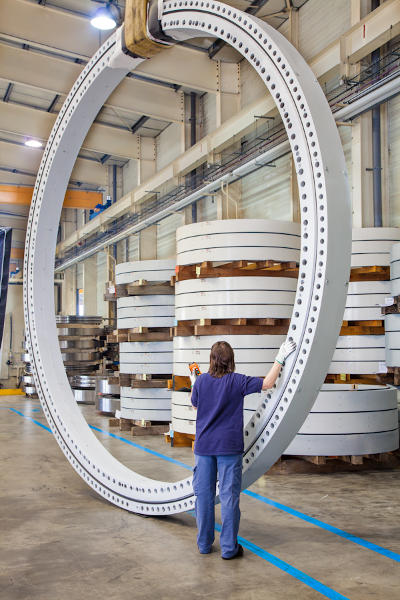
Figure 25 Blade bearings, courtesy of Rollix.
Function
The blade bearings enable adjustment of blade pitch angle to control power output from the turbine, minimise loads and start/stop turbine as required.
What it costs*
The cost for a set of blade bearings varies significantly with rotor design.
Who supplies them
Dover Precision Components, IMO, Liebherr, Rollix, SKF and thyssenkrup.
Key facts
Different nacelle layouts exist for offshore wind turbines, from a bearing at each of the main shaft [T.1.3] to a single bearing supporting the rotor from the generator [T1.5].
Such arrangements may use a combination of spherical roller bearings (to provide axial location) and self-aligning roller bearings, tapered roller bearings, such as the two-row double-outer race (TDO) and tapered double inner (TDI) variants. These are used to manage the combination of radial, thrust and overturning loads. Bearings are often heated prior to mounting on the main shaft in order to provide a robust, stress-concentration free connection.
Cast-iron bearing housings may be used to provide stiff supports for bearings and connection to the nacelle bedplate.
What’s in it
- Forged rolled ring, machined and hardened
- Rolling elements (spherical, crowned cylindrical / tapered)
- Rolling element support (cage)
- Lubricants and seals
- SG iron bearing housing