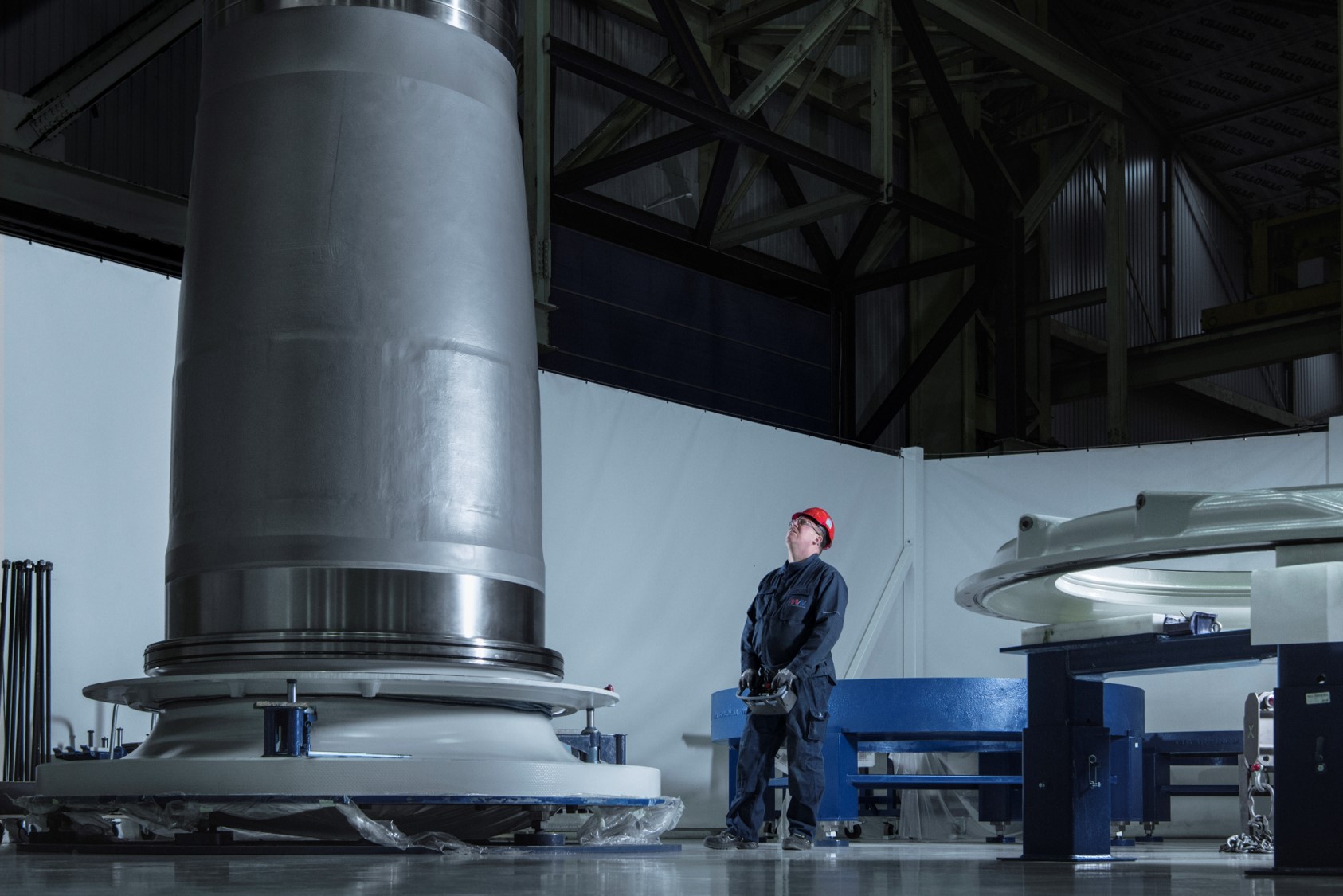
Figure 13 Wind turbine main shaft, © MHI Vestas Offshore Wind.
Function
The main shaft, if present, transfers torque from the rotor to the gearbox or, for some direct drive designs, the generator. Depending on the layout, It may be supported at the rotor end by the main shaft bearing and at the other end either by the gearbox / generator or separately mounted bearing.
What it costs*
The main shaft cost varies significantly for different nacelle layouts.
Who supplies them
Brück and thyssenkrupp.
Key facts
Conventionally, the rotor is flange-connected to the main shaft using a single or double row of Structural fasteners. The main shaft normally also has a ring of holes for use in positively locking the rotor in fixed position for maintenance activities.
It normally has a central bore which facilitates provision of control signals and electrical or hydraulic power to the hub for operation of the blade pitch system.
For a large 15 MW turbine, the main shaft may have a mass of over 70 t and be forged and machined from high-grade steel such as 42CrMo4 or cast hollow from EN-GJS-400-18U-LT. Different turbine concepts require quite different main shaft designs.
Fatigue loading is critical as the rotating shaft is supporting the mass of the rotor as well as resisting the aerodynamic torque and thrust loads. It is critical to minimise stress concentrations.
What’s in it
- Forged / cast shaft
- Machining, NDT and painting