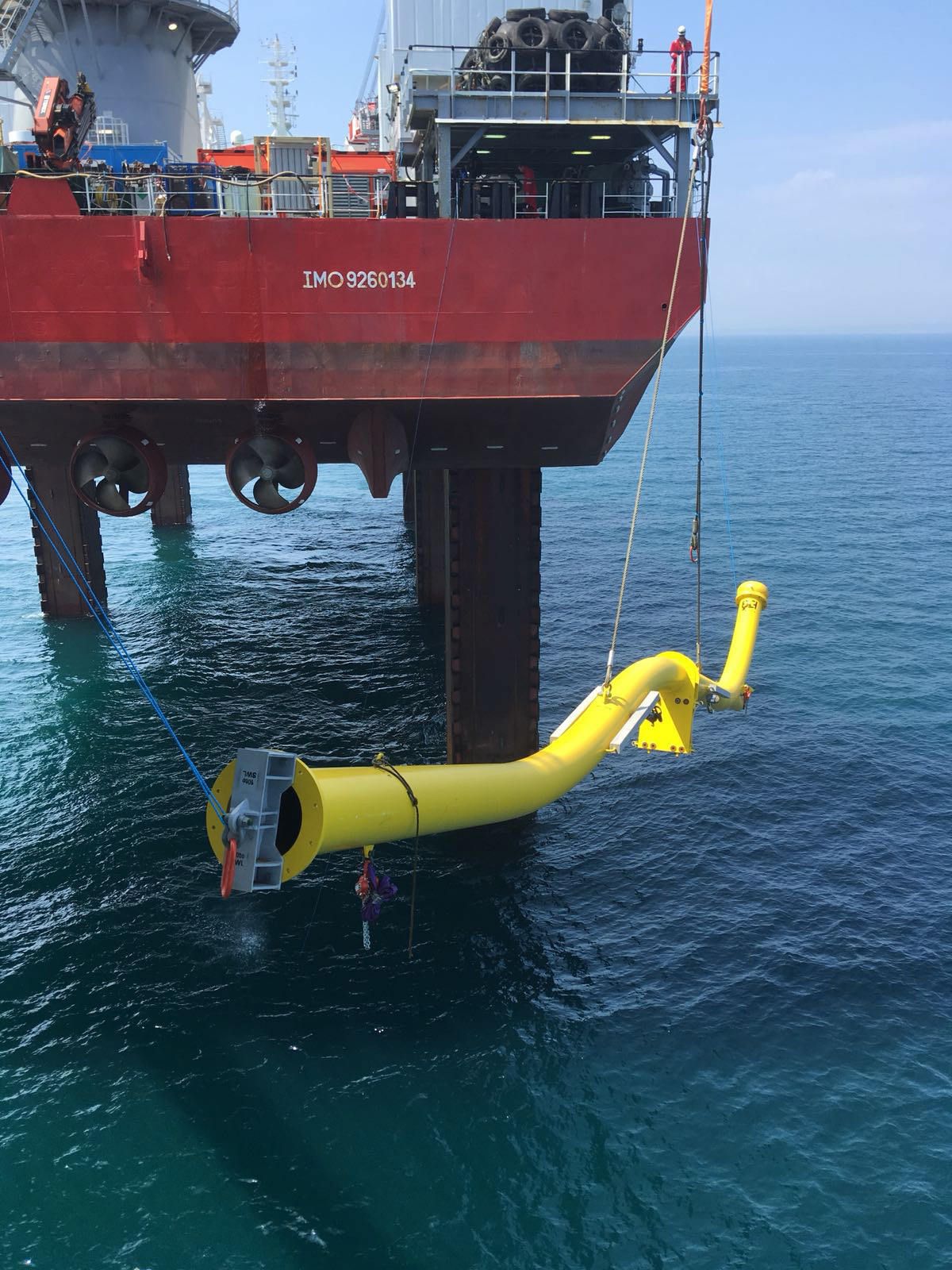
Figure 39 J-tube, courtesy of Optimus Aberdeen.
Function
The J-tube or I-tube routes the array cables from the outside to the inside of the foundation and provides protection to the cables from wave action.
Who supplies them
These are usually supplied by the supplier of jacket [B.2.2] or transition piece [B.2.3].
In practice, the steelwork for the J-tubes or I-tube may be subcontracted to a smaller steelwork supplier. A monopile entry point will be formed in the monopile by the monopile supplier.
Key facts
For a monopile, a J-tube is a steel tube of diameter approximately 300 mm attached to the transition piece extending from platform level to a few metres above the sea bed. It is called a J-tube because the lower end is curved like a letter J so that the cable bends smoothly towards the horizontal, where it will enter the sea bed. Both ends of the J-tube have a bell mouth shape to allow easy cable entry. The cable will enter the lower end close to the sea bed, pass up through the tube where it will be protected from the action of waves, and will commonly exit around the level of the top of the transition piece. There are a variety of ways for the array cables to pass from the outside to the inside of the wind turbine. Both ends of the J-tube are normally sealed after the cable has been pulled through – see Cable protection [B.1.3].
In deeper water, the top of the monopile finishes higher above the sea bed so an I-tube can be used. An I-tube has a vertical lower end, because it is many metres above the sea bed. A cable protection system will need to be used for the exposed cable between the buried section and where it enters the I-tube to stop it flexing in tidal currents.
Another alternative is to have a monopile entry point in the side of the monopile a couple of metres above the sea bed. This will be sealed after the cable has been pulled in. These same options are used to route and protect cables for jacket foundations and for gravity base foundations.
What’s in it
- Tubular steel